

Dec 2020 Blog: Fragrance Sensitivity in the Workplace
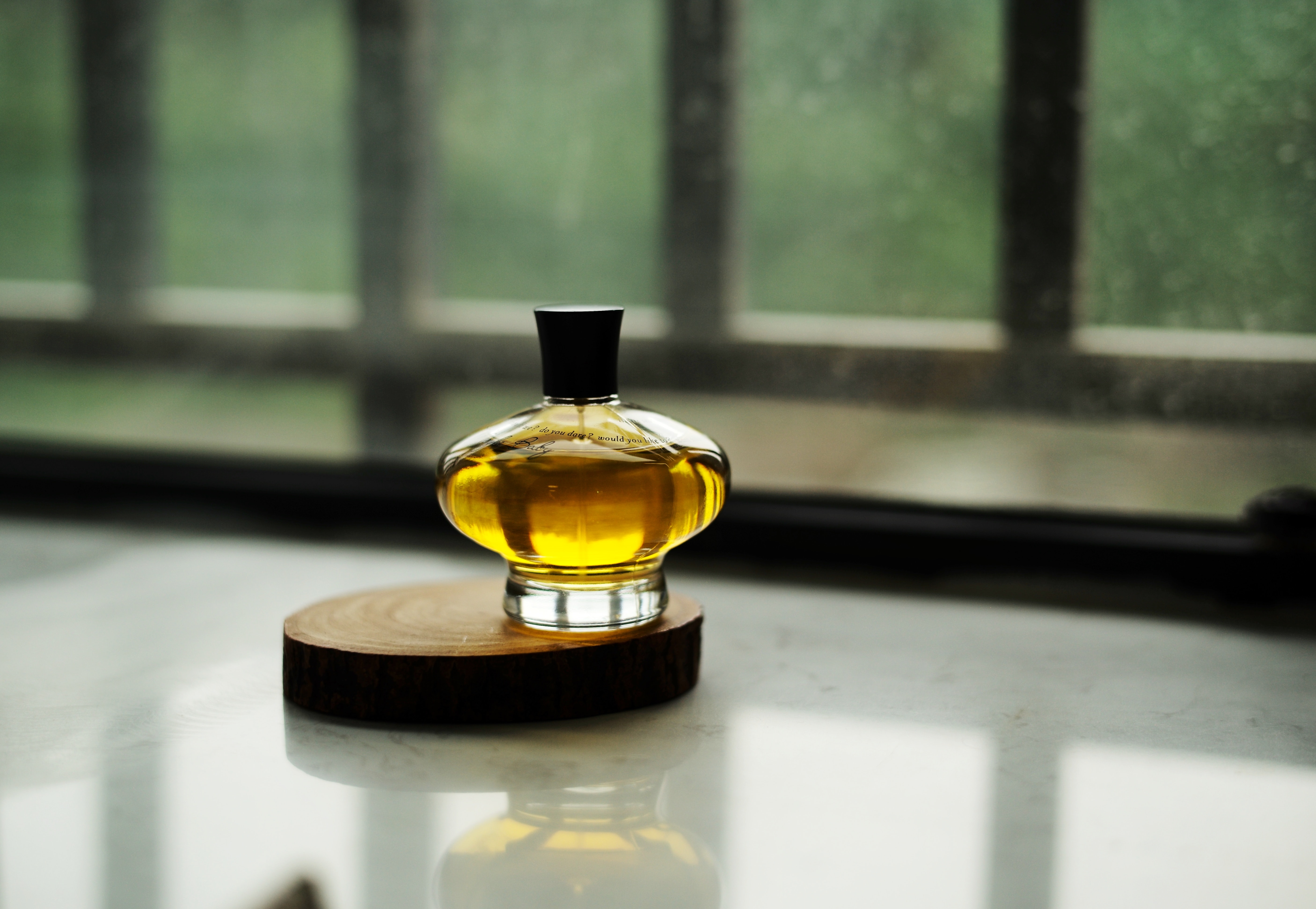
(Photo Credit: 21 Swan)
Fragrance Sensitivity in the Workplace
Everyone’s level of sensitivity to the five senses is different. Some people are bothered by bright lights, other people despise loud or constant noise, and still others avoid crowds and confined spaces because it makes them feel uncomfortable. So it’s no surprise that certain scents can trigger unpleasant or even serious reactions in some people. It might seem like an afterthought but it’s important to be aware of fragrances in a shared workspace.
According to both the EPA and the CDC, scented products can affect indoor air quality. The chemicals in these products can act as lung irritants and allergens. Adults with asthma are especially susceptible. Fragrances can cause headaches, difficulty breathing, nausea, eye irritation, and coughing. Products that are commonly used in a communal work environment include air fresheners in bathrooms, supplies used by the nightly cleaning crew, cologne on employees, and even scented candles or essential oil diffusers. Some individuals report that personal fragrances from lotions, perfumes, and detergents affect them in the way cigarette smoke affects most other people.
While there is no ADA requirement to accommodate employees with fragrance sensitivities, the Job Accommodation Network (JAN) does recommend making efforts to reduce an employee’s exposure to the offending scents. Overall, dialing back the use of these products can help us share the air and work toward creating a scent-free workplace for coworkers with respiratory issues.